
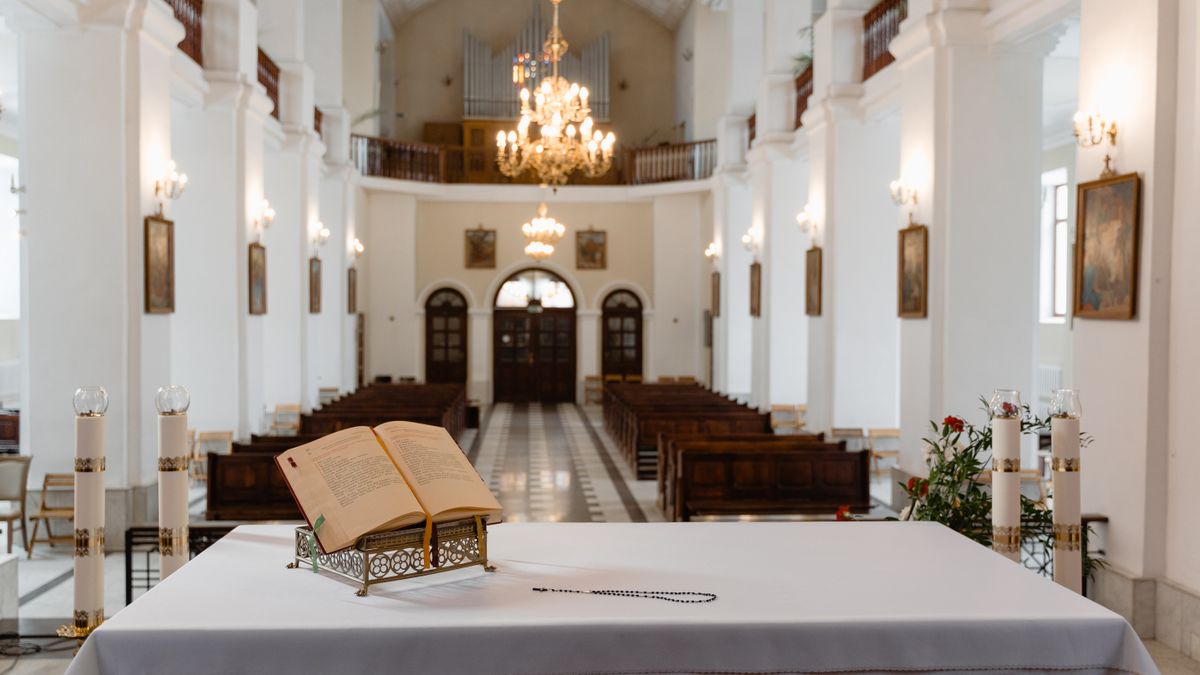
Somebody has to say the first words. Maybe that’s you tonight. The room is filling up, chairs are scraping, someone’s still hunting for a Bible on their phone, and in a minute or two you’ll need to open your mouth and start talking to God in front of everyone. That moment can feel bigger than it should. It doesn’t need to be complicated. Below are several opening prayers you can use as they are, or adjust to fit your own group.
Why Open a Prayer Meeting With Prayer
It sounds obvious, but it’s worth saying: the opening prayer isn’t a formality before the “real” praying starts. It is the real praying starting. When you pray first, you’re admitting that the meeting doesn’t belong to you or to the agenda someone typed up. It belongs to God, and everyone in the room is there because they need Him, not because they need each other’s advice. A short, honest opening prayer settles the room. People stop checking their phones. The person who walked in stressed from traffic gets a minute to exhale. And practically, it sets the tone for how everything after it will go – if you open with sincerity instead of routine, the prayers that follow tend to match that.
Scripture gives us a pattern for this. Jesus told His disciples that “where two or three are gathered together in my name, there am I in the midst of them” (Matthew 18:20, KJV). That’s the whole reason for the opening prayer – not to fill time, but to name out loud that He’s already there, and to ask Him to have His way with the hour.
Opening Prayers for Different Kinds of Prayer Meetings
1. A General Church Prayer Meeting
2. A Small Group or Home Prayer Meeting
3. A Midweek Service Prayer Meeting
4. A Youth Prayer Meeting
5. An Intercessory or Prayer-Warrior Gathering
6. A Women’s Prayer Group
7. A Men’s Prayer Group
8. A Closing Line for Any Gathering, When You Want It Short
How to Actually Lead It
You don’t need a polished sentence to start. “Let’s pray” is enough. Keep your eyes open long enough to see if people are settled, then bow your head and go. Speak slower than feels natural – in a room, a rushed prayer reads as nervous, and a slow one reads as sincere. If you lose your place or forget a line, that’s fine; finish the thought in your own words and say amen. Nobody in that room is grading you. They’re grateful someone went first.
Frequently Asked Questions
Who should give the opening prayer at a prayer meeting?
Usually the leader or host opens, but there’s no rule against inviting someone else – a longtime member, a first-time attender, or even a rotating volunteer each week. Asking someone new to open can actually deepen a group, since it gives more people ownership of the meeting.
How long should the opening prayer be?
Thirty seconds to two minutes is typical. The opening prayer is meant to gather the room and hand it over to God, not to cover every request already – save the longer, specific praying for the body of the meeting.
Can I read a written prayer instead of praying spontaneously?
Yes. Plenty of faithful, effective leaders read or lightly adapt a written prayer rather than improvising. What matters is that it’s sincere when you say it, not whether the words are memorized, borrowed, or your own.
What if I’m too nervous to pray out loud in front of others?
Start with one of the shorter prayers above and say it plainly. Most groups aren’t listening for eloquence – they’re listening for someone willing to start. The nerves tend to fade after the first sentence or two.
Related Prayers
Gathering with others in prayer this week? Send this prayer to someone who can’t be there in person.